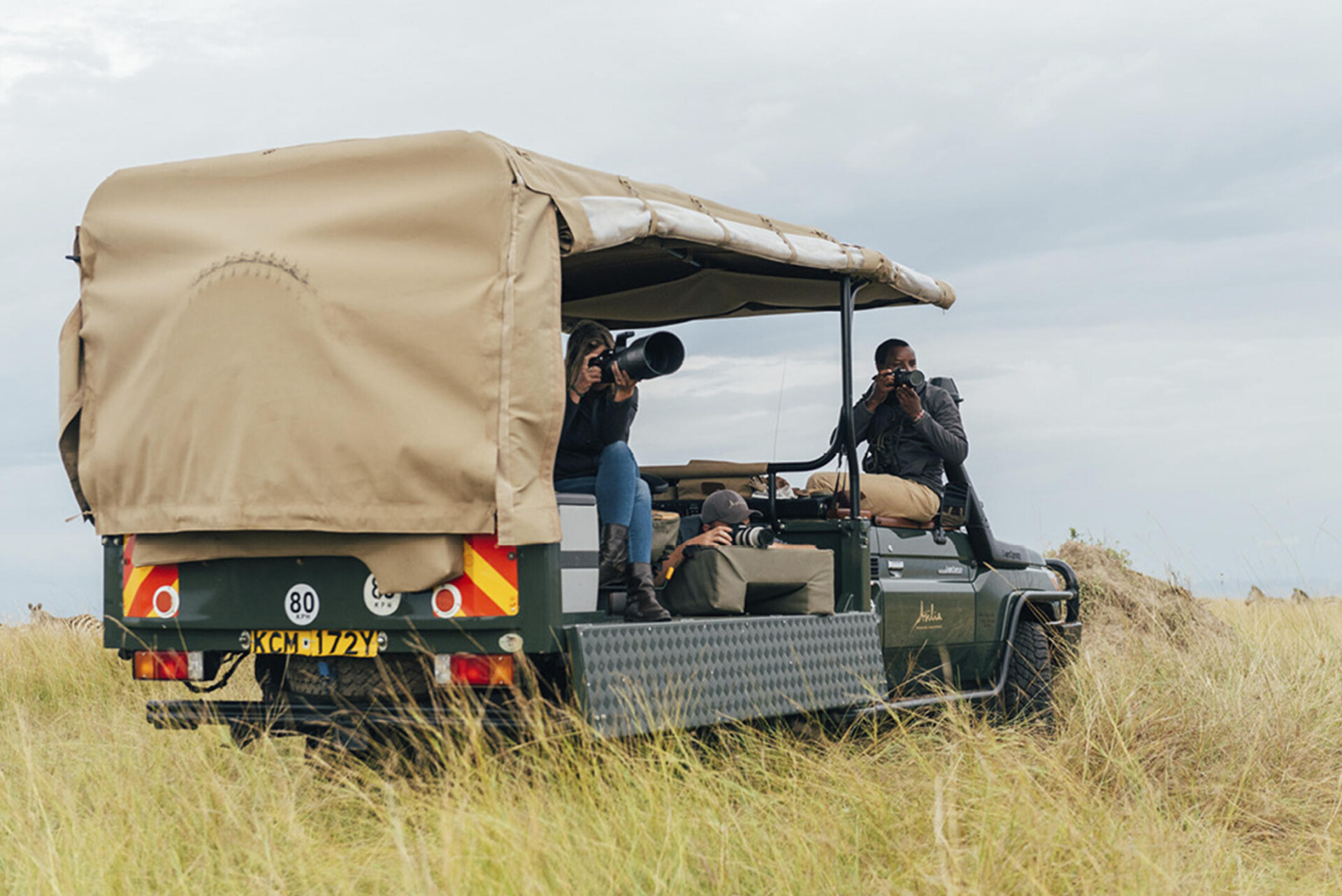
Co-founder, expert safari guide and photographer Tayla McCurdy shares practical ways to capture incredible photos while respecting wildlife.
Photography is one of the greatest joys of any safari experience. From capturing the golden mane of a lion bathed in sunset light to the vibrant smiles of local communities, every click of the shutter holds the promise of storytelling. But with great power (and a zoom lens) comes great responsibility.
Ethical photography isn’t just about the perfect shot – it’s about respect, integrity and making sure your images uplift and protect the wildlife and people you encounter. We truly believe this is the responsibility of everyone who chooses to photograph their travels, and one of the reasons ethical photography is one of our key values.
Below is our professional advice for how you can be a responsible photographer while creating photos you’ll treasure forever.
Four ways to photograph wildlife responsibly and ethically
- Use a zoom lens to keep a respectful distance: That lioness nursing her cubs? She doesn’t need a paparazzi moment. Use your zoom lens to capture intimate details without invading her personal space.
- Don’t stress the animals: If an animal looks uneasy, stop and reassess. Avoid making noises or sudden movements to get their attention—this can cause unnecessary distress or alter their behavior.
- No baiting, ever: It might be tempting to “encourage” an animal into a better position, but true wildlife moments happen naturally. Avoid the use of food, calls, or any other methods to lure animals closer. This includes using bird call apps, which can disrupt natural behaviors, cause confusion, and even lead to stress or energy depletion for some species. Instead, wait patiently and let the wildlife reveal itself naturally.
- Work with ethical safari operators: Travel and work with guides and companies that prioritise animal welfare. Avoid anyone who encourages risky or intrusive behaviour, such as getting out of the safari vehicle for a closer look, just for a photo op.
The key to ethical wildlife photography is simple: be an observer, not an intruder. Remember, you’re in their space, not the other way around.
How to photograph people and respect their dignity
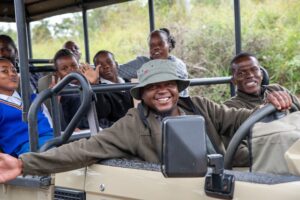
- Ask for permission: A simple gesture of asking before snapping can go a long way. Use a smile and a bit of friendly conversation to connect before you raise your camera.
- Respect their privacy: Not everyone wants to be photographed, and that’s okay. A declined request is not an opportunity for stealthy shots.
- Show gratitude: If someone agrees to be photographed, show them the photo afterward. Sharing the image can create a meaningful moment of connection.
- Avoid perpetuating clichés through photography: Aim to capture genuine moments instead of falling into the trap of reinforcing stereotypes or seeking “exotic” images.
Portraits of people, especially in local communities, can tell beautiful stories—but only if taken with care and respect.
Ethical guidelines for sharing your photos on social media
Photography is a powerful tool, and how you share your images matters.
- Caption responsibly: Provide context for your images, especially when sharing photos of people or wildlife. Avoid sensationalising or misrepresenting what’s happening in the shot.
- Be mindful of location sharing: While tagging the beautiful lodge you stayed at is fine, avoid pinpointing locations of vulnerable species like rhinos or nesting birds.
- Support conservation and communities: If your photo features a local guide, community or conservation project, use your platform to highlight and support their efforts through mentions, tagging and hashtags.
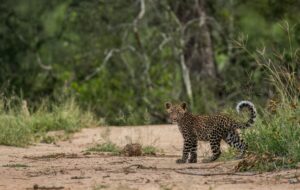
Four practical tips for ethical photography
- Be patient: Great wildlife photography is about waiting for the right moment, not forcing it. In some ways, it’s what makes getting the perfect photo that much more special.
- Use a proper lens: A telephoto lens (I suggest a 300mm or more) helps you capture stunning close-ups without encroaching on an animal’s space.
- Limit flash: Flash can startle animals and distract people. Stick to natural light or subtle artificial lighting when necessary. I recommend working with a safari guide who has experience positioning vehicles for the best light.
- Leave no trace: Respect the environment where you’re shooting. Don’t leave behind litter, trample vegetation or disturb delicate ecosystems for the sake of “the shot.”
Photography is your opportunity to capture stories, not just pictures
Ethical photography isn’t just about the “rules” – it’s about intention. Each photo should honour the subject, whether it’s a towering elephant or a smiling vendor at a local market. When done right, your images can inspire others, celebrate the beauty of nature and humanity, and even contribute to the preservation of the incredible places and people you’ve encountered.
So, go out there, shoot with your heart as much as your camera, and leave nothing behind but admiration.
And, of course, get in touch if you’d like to discuss going on a photographic safari with a private guide
Happy (and responsible) snapping!
x Tayla
About the Author
Tayla McCurdy is an experienced South African safari guide and TV personality, passionate conservationist and the co-founder of Aperture Travel.